





AI isn’t close to becoming sentient – the real danger lies in how easily we’re prone to anthropomorphize it
The real issue is the ease with which people project human features onto our technologies, rather than the machines' actual personhood.
Somatic genome editing therapies are becoming a reality – but debate over ethics, equitable access and governance continue
The prospect of curing certain diseases by changing the parts of our DNA that cause them is becoming a reality.
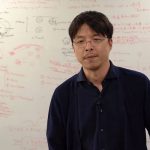
Scientists create mice with two biological fathers
Prof. Katsuhiko Hayashi, a globally respected expert in the field, has created eggs from the cells of male mice.

Here are five things to know about the future of being human
With a greater understanding of ageing, new methods to decelerate the decline of biological processes are being developed, resulting in longer lives.
How ‘Dormant’ Cells In The Aging Brain Contribute To Cognitive Decline
Why cognitive effects such as memory loss and ageing go hand in hand is only recently beginning to be understood.
The human body has 37 trillion cells. If we can work out what they all do, the results could revolutionise healthcare
The average body contains about 37 trillion cells – and we are in the midst of a revolutionary quest to understand what they all do.
Artificial Intelligence might be seemingly everywhere, but there are still plenty of things it can’t do – for now
These days, we don't have to wait long until the next breakthrough in AI with capabilities that previously belonged only in science fiction.

Could getting rid of old cells turn back the clock on aging?
If these researchers are successful, they will have no shortage of customers because people are living longer.
We Can Cure Disease by Editing a Person’s DNA. Why Aren’t We?
There are up to 400 million people worldwide affected by one of the 7,000 diseases caused by mutations in single genes.
Should We Be Worried About the Existential Risk of Artificial Intelligence?
Some scientists have expressed concerns about the possibility that AI could evolve to the point that humans could no longer control it.
SIGN OUR PETITION











