




By Joseph Carvalko | 11 November 2025
Facebook
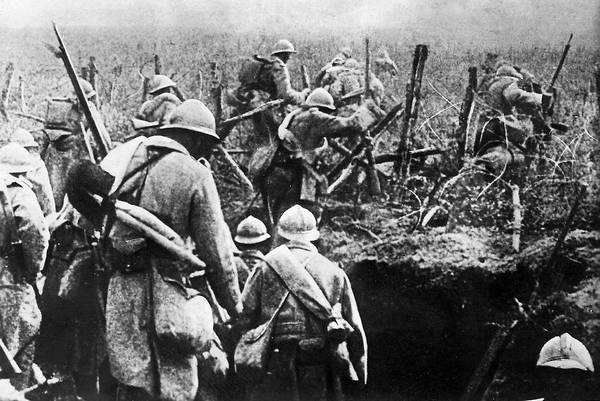
I came to know a few men who fought in the Great War. My grand‑uncle George was gassed in the trenches and lived a shortened, painful life, dying in his fifties. When I was ten, our next‑door neighbor, Mr. White, handed me his old gas mask. I kept it close for years, a relic of terror and survival that became my first intimate connection to that distant battlefield.
This Armistice Day—November 11, now called Veterans Day in the United States—I honor those soldiers by turning memory into song. I chose Château Wood, part of the grounds of the Château de Hooge east of Ypres, Belgium, where the Ypres Salient marked one of the most contested landscapes of the Western Front. In that frozen winter of 1917, the place became a vision of shattered trees, devastated landscapes, the destruction of nature and humanity as two armies locked in a Sisyphean struggle, pushed interminably in opposite directions.
Veterans Day occurs on November 11 every year in the United States in honor of the “eleventh hour of the eleventh day of the eleventh month" of 1918 that signaled the end of World War I, known as Armistice Day.⁰
Thank a veteran every day. pic.twitter.com/uz8meZrBMb— Carissa (@njoyzgrl81) November 11, 2025
From the dark of night into the early dawn, they hurled themselves into no man’s land, where gas, shells, and bullets filled the same deadly air. Each soldier carried fear differently, yet all answered the same command. “Are you ready, men?” The question was both peremptory and rhetorical, demanding another charge into the abyss. Survivors retreated, only to wait again for the whistle, for the cycle of cold sweat, foreboding, revulsion, and abandon to repeat.
One hundred and eight years later, I imagine George among them—waiting for destiny’s heartbeat, listening to the terrified cries of boys turned men. Perhaps he stood in a trance prepared to die, looking at the rising dawn through the morning’s dew, across marshy bogs and shattered logs. I imagine an atmosphere thickened with vesicants, ethereal yet funereal. “Gas! Gas! Gas!” The cry echoed. “Are you ready, men?” The command returned. And again, they charged.
Again, they left behind the limbless and the deaf, the fallen and forgotten, scattered across pockmarked fields where crude wooden crosses marked graves among the weeds. Again, they fought in a land stripped of birdsong and silenced of dogs, where craters yawned like graves and the stench of phosgene and chlorine clung to the earth. Again, they charged—into a place where life itself seemed suspended, where memory demands we pause, remember, and honor.
https://carvalko.com/wp-content/uploads/2025/11/THE-ARMISTICE.mp3.
Between Two Eternities: Inscriptions Buried in an Awakened Heart by Joseph Carvalko. https://t.co/4X5oPVFFz5
— Church and State (@ChurchAndStateN) October 9, 2024

Joe Carvalko on the Intersection of Law, Science, and Technology
History of the Holidays: History of Veterans Day | History
President Barack Obama Greets Veterans
Be sure to ‘like’ us on Facebook













